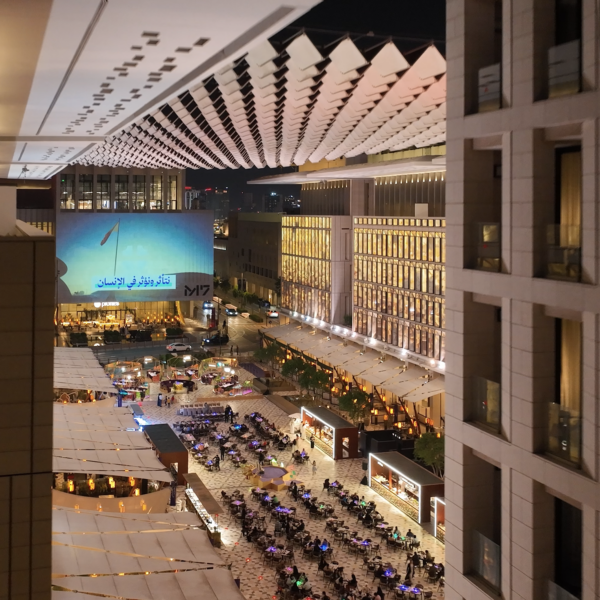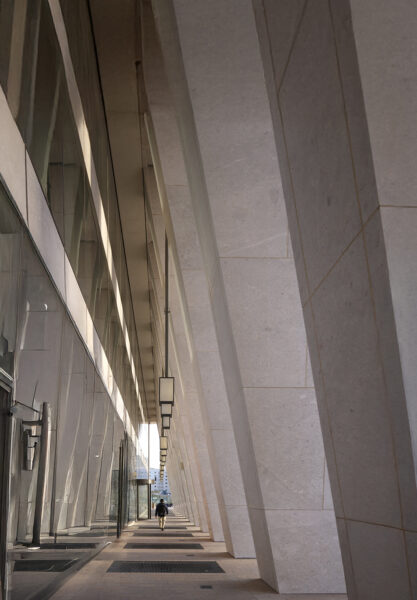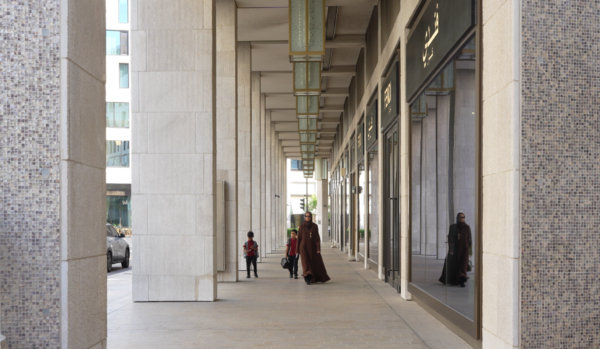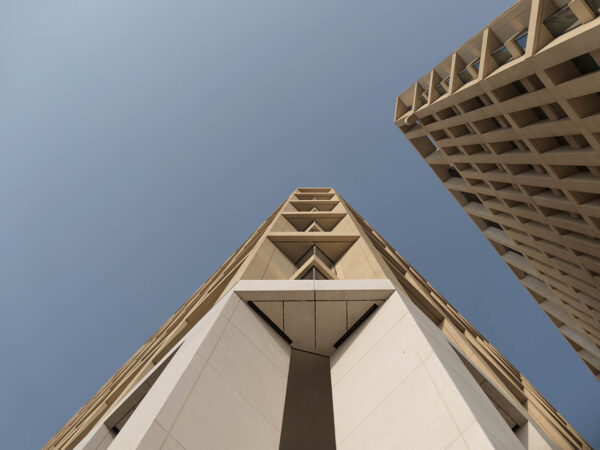
Stone outlasts memory. The void endures. Every space we enter, we enter like a relationship.
One of the primary tools for defining urban density is urban articulation.
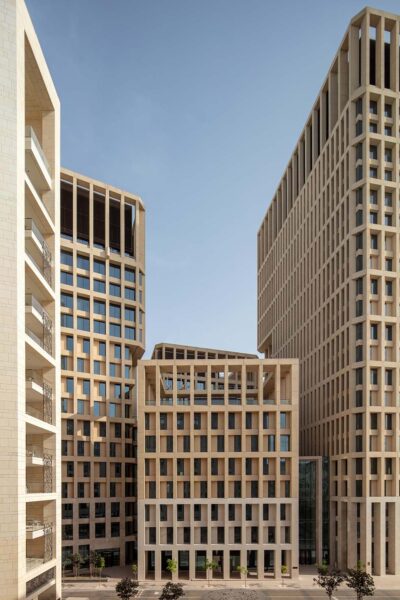
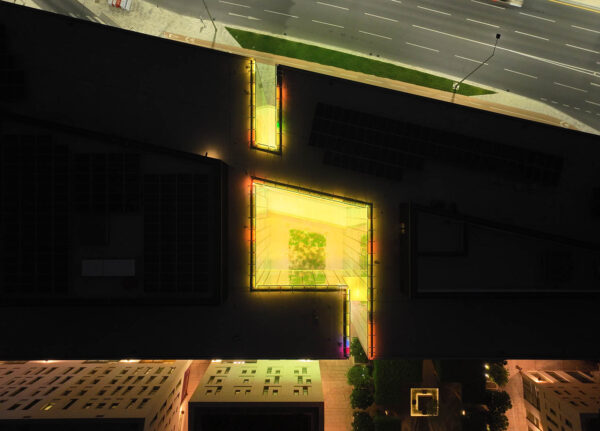
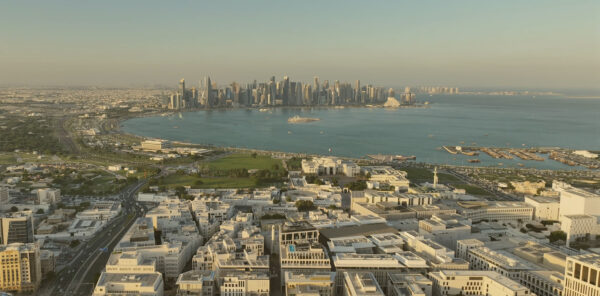
This idea often begins with legacy — the former footprint of the city, traces of older urban fabrics, fragments of architecture that continue to engage with present-day life. Pattern, in this sense, is not only aesthetic but archaeological: it carries the memory of how a place was once organised, how people moved through it, where they gathered and rested and met. In Qatari urban culture, these patterns were never arbitrary — they encoded values of hospitality, shade, proximity, and collective life into the structure of the city itself. This project draws on that inheritance. Combining retail, residential, and commercial programmes into a mixed-use urban fabric, it was deeply aligned with the vision of HH Sheikha Moza: to propose another way of living — one not dependent on the car, not confined to the transition between air-conditioned interiors.